

Walk into any kitchen store, and you will feel overwhelmed fast. There are hundreds of pans, dozens of brands, and everyone has an opinion.The truth is, most home cooks only need a few good pans. The right five or six will cover almost every meal you will ever cook.
This guide breaks it all down. No jargon, no pressure, just clear advice on what pans actually matter and why.
The 6 Pans Every Kitchen Should Have
- Cast iron skillet
- Stainless steel skillet
- Nonstick skillet
- Saucepan (3 to 4 quart)
- Dutch oven
- Stockpot
Cast Iron Skillet: The True Kitchen Workhorse
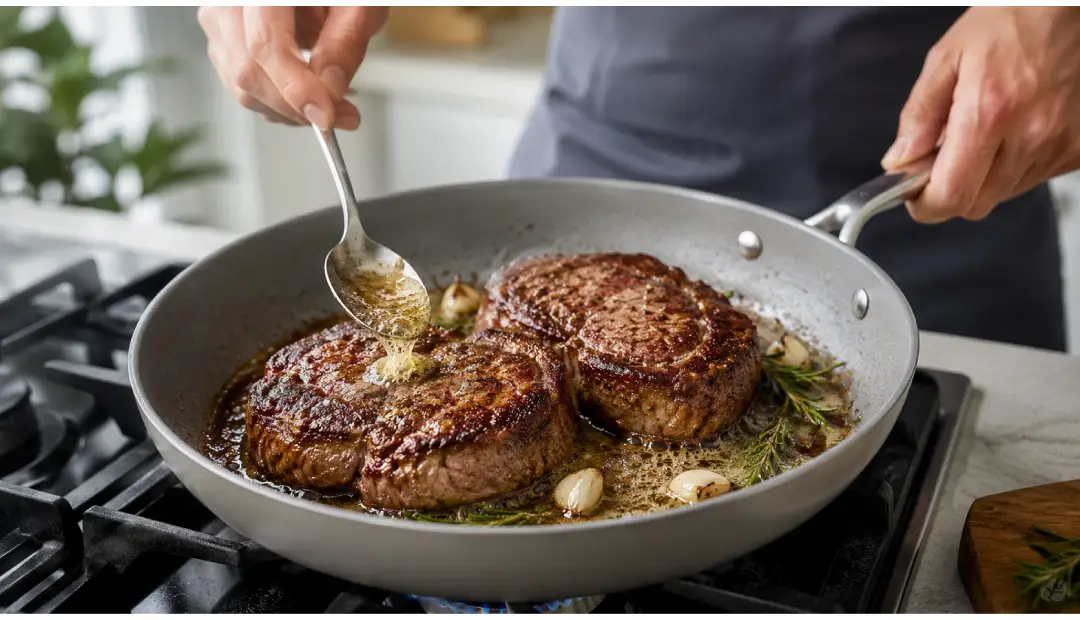
A cast-iron skillet can do things most pans cannot. It holds heat extremely well. It goes from stovetop to oven without any issues. Use it for searing steak, frying chicken, baking cornbread, or cooking pork chops. It even works as a grill pan in a pinch.
How to care for your cast-iron skillet
- Dry it completely after washing. Never soak it in water.
- Afterward, rub a thin layer of oil on it after each use. This is called seasoning.
- Do not put it in the dishwasher. Ever.
- Use tongs or oven mitts. The handle gets hot fast.
 Stainless Steel Skillet: Best for Browning and Sauces
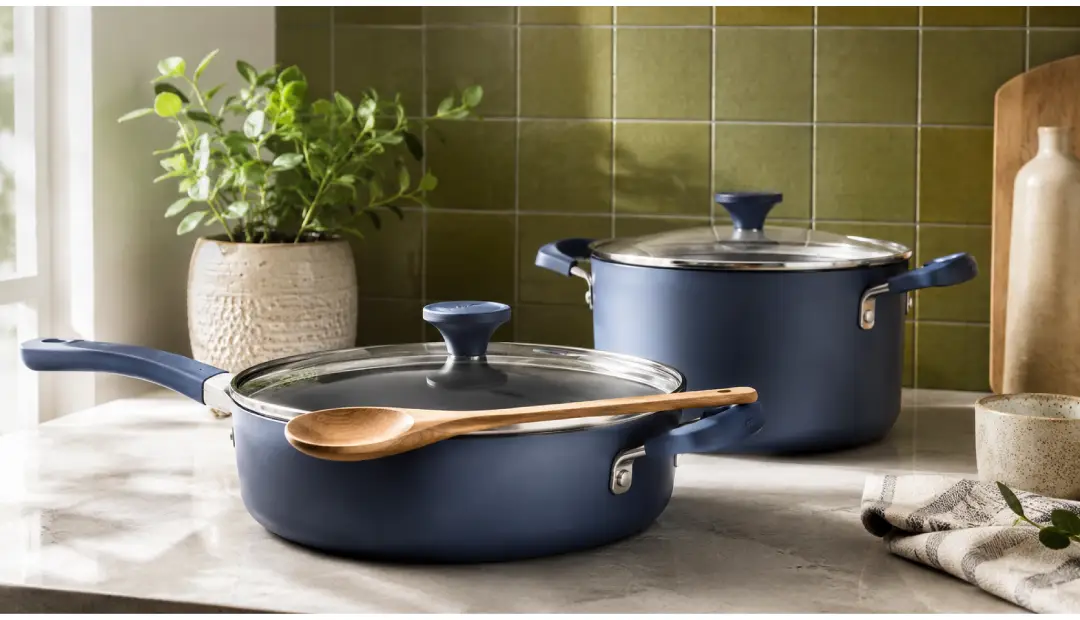
A stainless steel skillet is the pan chefs reach for most. It handles high heat well. It browns food beautifully. It is also great for making sauces right in the pan. Look for one made with tri-ply construction. This means aluminum is sandwiched between two layers of stainless steel.
It provides even heat distribution across the entire surface. America’s Test Kitchen consistently recommends the Made In 12-inch stainless steel skillet for its even heating and quick responsiveness.
What to cook in a stainless steel skillet
- Chicken breasts and thighs
- Fish fillets
- Vegetables
- Pan sauces and reductions
Nonstick Skillet: The Best Pan for Eggs
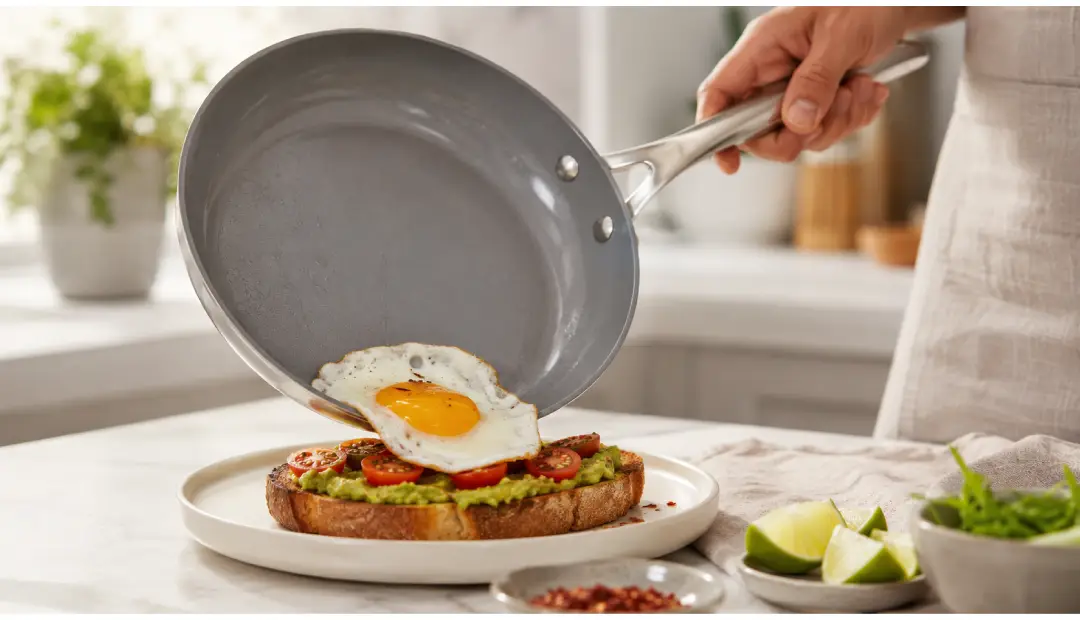
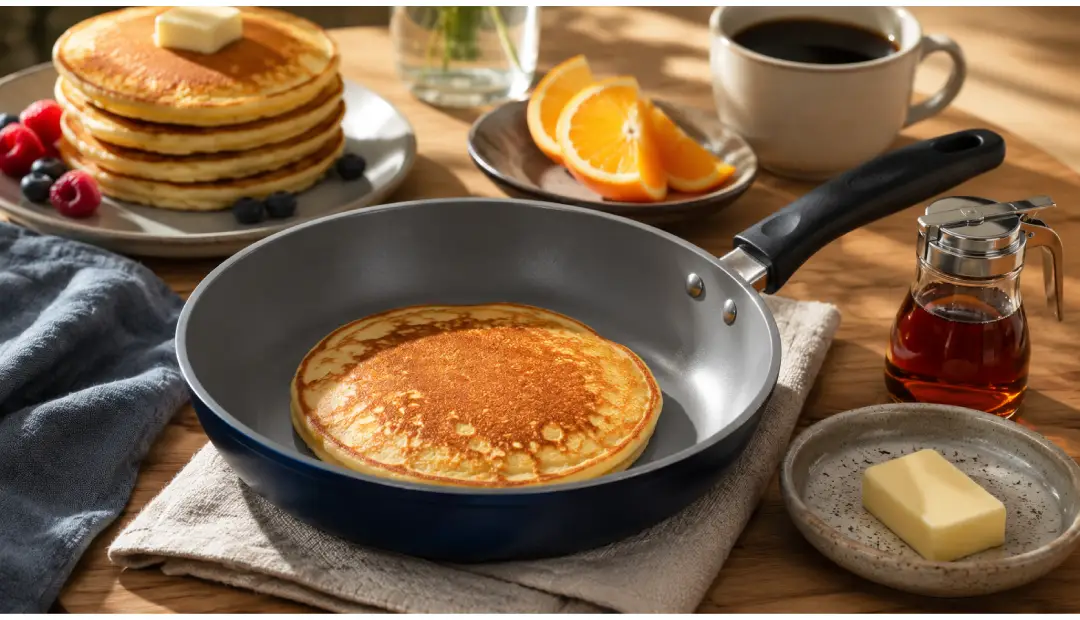
If you cook eggs regularly, you need a nonstick skillet. Fried eggs, scrambled eggs, and pancakes all slide right out. You barely need any oil. A nonstick surface is also great for delicate fish that tends to stick to other pans.
One important rule: Do not use high heat on nonstick pans. High heat damages the coating over time. It can also release fumes that are harmful to breathe in.
Nonstick skillet rules to follow
- Use low to medium heat only.
- Never use metal utensils. Use silicone, wood, or plastic instead.
- Do not preheat it while empty.
- Hand washes it. The dishwasher wears down the coating.
 Saucepan: Your Everyday Workhorse for Smaller Jobs
- Boiling pasta (small batches)
- Making soup
- Cooking rice
- Heating sauce
- Boiling water for blanching vegetables
Dutch Oven: A Real Game Changer for Slow Cooking
A Dutch oven is a thick, heavy pot with a tight lid. It holds heat incredibly well. And that makes it perfect for slow cooking, braising, and making big batches of soup or stew.You can start a dish on the stove and move it straight into the oven. Most Dutch ovens are oven-safe at high temperatures.
Le Creuset is the gold standard for enameled Dutch ovens. They are expensive but last a lifetime. Tramontina and Lodge offer solid enameled Dutch ovens at lower prices.
What can I cook in a Dutch oven?
- Beef stew and chicken stew
- Braised short ribs or whole chicken
- Homemade bread
- Big batch soups and chili
- Pasta sauces that need long cooking
Induction compatible? Yes, cast-iron Dutch ovens work on induction.
 Stockpot: For Big Batches and Boiling Water
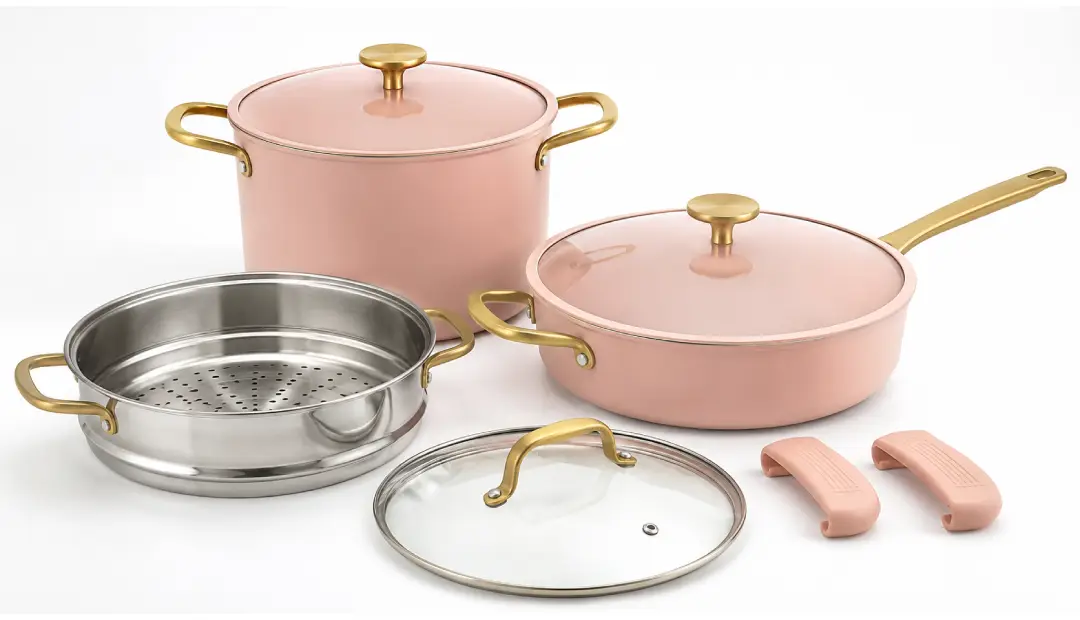
- Boiling pasta
- Making stock or bone broth
- Cooking soup for a crowd
- Steaming vegetables
Bonus: The Wok
A wok is not essential, but it is incredibly useful if you cook Asian dishes often.Its high sides and curved shape make stir-frying much easier. The design moves food around quickly without spilling. It also works for deep frying, steaming, and even boiling.
However, carbon steel woks are the most popular choice. They heat up fast, handle high heat well, and are lighter than cast iron. They do require seasoning, similar to cast-iron pans. A wok works best on a gas stove. It can work on electric or induction, but results vary.
Top Picks: Best Pans Recommended by Experts
These are the brands that come up most often in trusted cookware reviews.
SENSARTE Nonstick Frying Pan Skillet
- The SENSARTE 9.5-inch frying pan has a nonstick granite-style coating that helps eggs, pancakes, and other foods release easily.
- Its compact size makes it a practical choice for omelets, small portions, and everyday breakfast cooking.
- The product is advertised as PFOA-free, which may appeal to buyers looking for cookware without this chemical.
- The nonstick surface also allows users to cook with less oil and makes cleanup easier.
- However, the 9.5-inch cooking area may be too small for large families or full-size meals.
- The coating can become scratched if metal utensils or rough cleaning pads are used.
- High heat may shorten the life of the nonstick surface, so low to medium heat is usually a better choice.
- It may also require careful handwashing and storage to preserve the coating over time.
Tramontina Professional 10-Inch
- The Tramontina Professional 10-inch frying pan is made from heavy-gauge aluminum for fast and even heating.
- Its reinforced nonstick coating helps food release easily and reduces the need for excess oil.
- The 10-inch size is suitable for eggs, pancakes, vegetables, burgers, and small family meals.
- A red handle provides a comfortable grip and makes the pan easy to identify in the kitchen.
- The pan is oven-safe, giving users more flexibility when finishing recipes.
- Its dishwasher-safe design makes cleanup faster after everyday cooking.
- The professional-style construction makes it a practical choice for regular home use.
All-Clad HA1 Hard Anodized
- The All-Clad HA1 set includes 8-inch and 10-inch frying pans for cooking different portion sizes.
- Its hard-anodized aluminum construction supports fast and even heat distribution.
- The nonstick surface helps eggs, pancakes, fish, and other foods release more easily.
- Both pans are compatible with induction cooktops and other common stovetops.
- They are oven and broiler safe up to 500°F for recipes that require stovetop-to-oven cooking.
- The dishwasher-safe design makes cleanup easier after everyday use.
- This two-piece set is a practical choice for home cooks who want durable, premium nonstick cookware.
Calphalon® Hard-Anodized
- The Calphalon frying pan set includes an 8-inch pan and a 10-inch pan for different cooking needs.
- Its hard-anodized aluminum construction supports steady and even heat distribution.
- The nonstick cooking surface helps eggs, pancakes, fish, and vegetables release easily.
- The 8-inch pan is suitable for small portions, while the 10-inch pan provides more room for larger meals.
- The sloped sides make flipping food and transferring it to a plate more convenient.
- The nonstick interior also reduces the amount of oil needed and simplifies cleanup.
- This two-piece set is a practical option for everyday breakfast, lunch, and dinner preparation.
HexClad 8 Inch Hybrid
- The HexClad 8-inch frying pan uses a hybrid cooking surface that combines stainless steel with nonstick performance.
- Its compact size is suitable for eggs, omelets, pancakes, sauces, and single-person meals.
- The stay-cool handle provides a comfortable grip during regular stovetop cooking.
- This pan is induction-ready and compatible with gas, electric, and ceramic cooktops.
- Its oven-safe construction allows food to move from the stovetop to the oven.
- The dishwasher-safe design can make cleanup easier after cooking.
- This versatile frying pan is a practical option for small portions and everyday kitchen use.
America’s Test Kitchen and The Food Lab have tested these brands repeatedly. Their results back up these picks.
What Pans Do You Need for Different Cooking Styles?
| Your cooking style | Start with these |
|---|---|
| Eggs every morning | Nonstick skillet |
| Searing meat | Cast iron skillet |
| Pasta and soups | Stockpot + saucepan |
| Slow cooking | Dutch oven |
| Stir-fry dishes | Wok |
| Everything | Stainless steel skillet |
Pan Materials Explained Simply
Cast iron
Carbon steel
Stainless steel
Nonstick (PTFE coating)
Enameled cast iron
 If You Can Only Buy 3 Pans, Get These
- Cast iron skillet for high-heat cooking and oven use.
- Nonstick skillet for eggs, fish, and pancakes.
- Dutch oven for soups, stews, and braising.
What About Induction Cooktops?
Induction cooktops only work with magnetic cookware. If you have one, look for pans that are labeled induction-compatible.
- Cast iron (including enameled)
- Carbon steel
- Most stainless steel
- Aluminum (unless it has a magnetic base)
- Copper
- Ceramic-only cookware
Always check the packaging or product description carefully before buying anything.

