

TL;DR
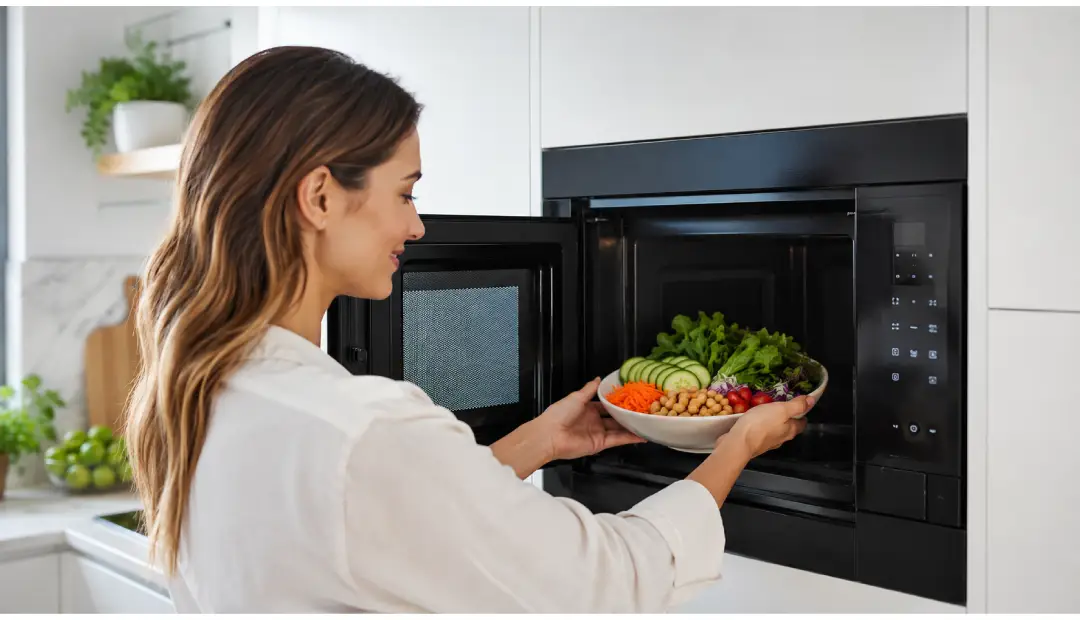
- The best healthy alternative to microwave ovens is an air fryer toaster oven because it can reheat, toast, bake, crisp, and roast many everyday foods.
- A microwave is not automatically unhealthy. The FDA says microwave ovens that meet safety standards and are used correctly are safe for use (FDA, 2023).
- Choose a steamer or steam oven for vegetables, fish, dumplings, and foods that need moisture.
- Choose an air fryer for crispy leftovers, fries, chicken, roasted vegetables, and foods that usually need oil.
- Choose a toaster oven or countertop oven if you want browned, toasted, or baked results that a basic microwave cannot give.
What Is the Best Healthy Alternative to Microwave Ovens?
The best healthy alternative to microwave ovens is an air fryer toaster oven for most homes. It can reheat leftovers, crisp food, toast bread, bake small meals, and roast vegetables without the soft or uneven texture that often happens in a basic microwave.
That does not mean a microwave is dangerous when used correctly. A microwave heats food with non-ionizing radiation, and the FDA states that ovens meeting FDA standards are safe when used according to the manufacturer’s instructions (FDA, 2023).
The healthier choice depends on what problem you want to solve:
- Use an air fryer when you want crisp food with less oil than deep frying.
- Use a steamer when you want moist vegetables, fish, or dumplings.
- Use a toaster oven when you want toasted bread, pizza, baked snacks, or roasted food.
- Use a stovetop pan when you want better control over heat and texture.
- Use a slow cooker when you want soft, low-effort meals without frying.
Quick Comparison: Healthy Alternatives to Microwave Ovens
A healthy microwave alternative should match your cooking style, not just replace one appliance with another. Microwaves are fastest for liquids and soft reheating, while air fryers, steamers, and toaster ovens are better for texture, browning, and non-plastic reheating.
| Alternative | Best for | Main benefit | Main drawback |
|---|---|---|---|
| Air fryer toaster oven | Most everyday reheating and cooking | Crisps, bakes, toasts, and roasts in one appliance | Takes more counter space |
| Air fryer | Crispy leftovers, fries, chicken, vegetables | Uses hot air to crisp food with little oil | Not ideal for soup, rice, or drinks |
| Toaster oven | Toast, pizza, bread, baked snacks | Browns and crisps better than a microwave | Slower than a microwave |
| Electric steamer | Vegetables, fish, dumplings, eggs | Uses moist heat and no oil | Does not brown food |
| Countertop steam oven | Moist reheating, baking, fish, vegetables | Combines heat with steam for better moisture | Usually more expensive |
| Stovetop pan | Rice, meat, eggs, leftovers | Gives direct heat control | Requires more attention |
| Slow cooker | Stews, soups, beans, shredded meat | Good for low-effort meals | Very slow |
| Rice cooker or multi-cooker | Rice, grains, soups, one-pot meals | Useful for meal prep | Less useful for crispy food |
 Are Microwave Ovens Unhealthy?
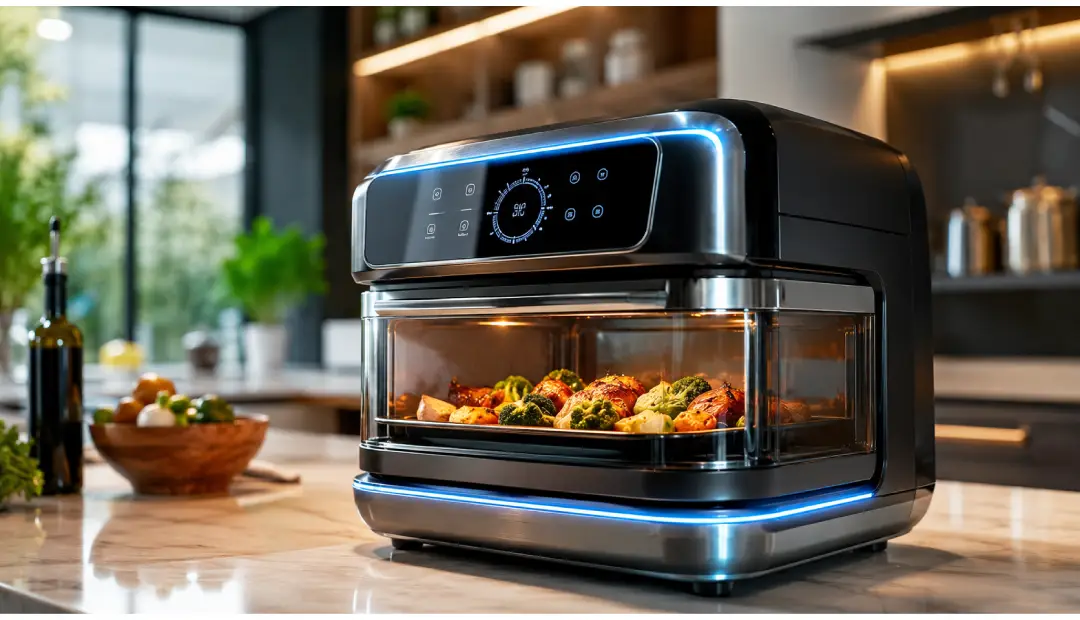
Microwave ovens are not unhealthy by default when they are in good condition and used correctly. The main concerns are uneven heating, damaged doors or seals, and unsafe containers, not the microwave cooking method itself.
The FDA explains that microwaves are non-ionizing radiation, which means they do not have the same risks as X-rays or other ionizing radiation. The FDA also says microwave energy should not leak from a microwave in good condition (FDA, 2023).
Nutrition is also not a simple “microwave is bad” issue. CSIRO states that correctly used microwaves are a safe way to prepare food without harmful effects on nutrition. CSIRO also notes that short cooking time and minimal water can help retain water-soluble vitamins such as vitamin C and thiamin (CSIRO, 2026).
The real health problem often comes from how people use a microwave:
- Heating food in plastic containers that are not labeled microwave-safe.
- Overcooking vegetables until they dry out.
- Reheating food unevenly and not checking the center.
- Using a damaged microwave with broken door seals.
- Relying too much on ultra-processed microwave meals.
Why Look for a Healthy Alternative to a Microwave?
People look for a healthy alternative to microwave ovens because they want better food texture, less plastic contact, more cooking control, or a way to make meals with less added oil. The goal is usually better eating habits, not only avoiding microwaves.
A microwave is excellent for speed, but it has limits. It does not toast bread well, it often makes pizza soft, and it can heat food unevenly. Some foods turn rubbery, soggy, or dry.
A good alternative can help you:
- Reheat leftovers without making them soggy.
- Cook vegetables without much oil.
- Crisp food without deep frying.
- Avoid reheating in plastic containers.
- Prepare small meals without turning on a large oven.
- Improve flavor and texture with browning.
1. Air Fryer Toaster Oven: Best Overall Microwave Alternative
An air fryer toaster oven is the best overall microwave alternative because it replaces several small appliances at once. It can reheat, toast, bake, roast, broil, and air fry, which makes it more useful than a basic microwave for many foods.
This option is especially good for people who want crispy reheated food. Pizza, fries, roasted vegetables, chicken, garlic bread, and frozen snacks usually taste better when reheated with dry circulating heat.
Best uses
- Reheating pizza without making the crust soft.
- Crisping fries, nuggets, and breaded chicken.
- Toasting bread, bagels, and sandwiches.
- Roasting vegetables with a small amount of oil.
- Baking small batches of cookies or pastries.
- Cooking frozen snacks without deep frying.
Pros
- It gives better browning than a microwave.
- It can reduce the need for deep frying.
- It works well for small meals.
- It can replace a toaster, mini oven, and air fryer.
- It helps avoid plastic containers during reheating.
Cons
- It is slower than a microwave for soup, drinks, and rice.
- It needs more counter space.
- It may require preheating.
- It needs regular crumb and grease cleaning.
 2. Air Fryer: Best for Crispy Food With Less Oil
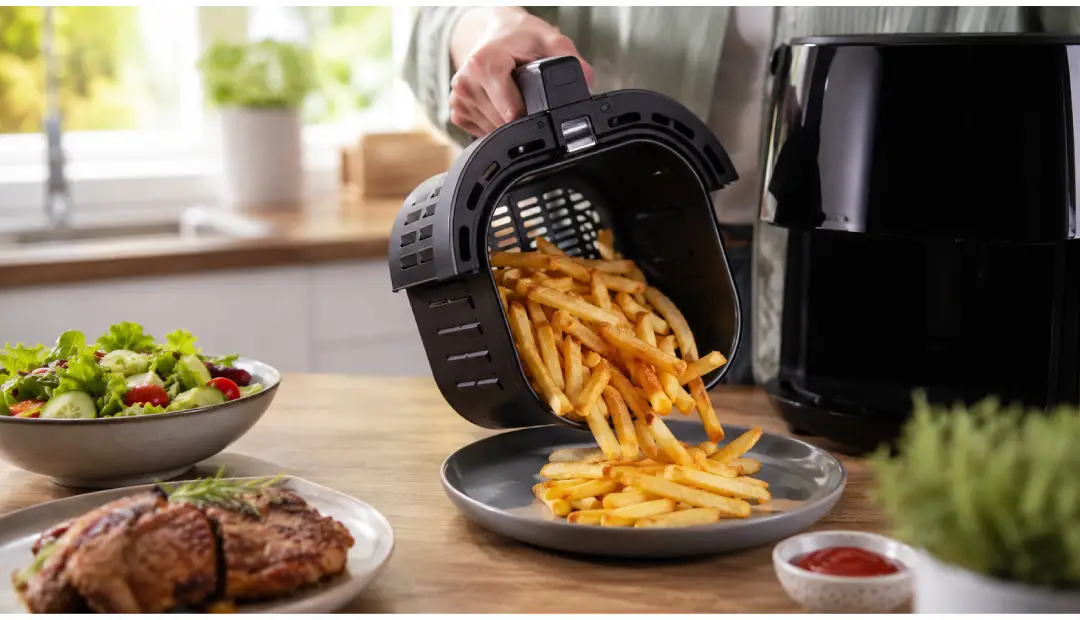
An air fryer is a strong microwave alternative for people who want crispy food without deep frying. It uses hot moving air to brown the food surface, which makes it useful for fries, chicken wings, vegetables, and breaded snacks.
An air fryer is not healthier than a microwave for every food. It is healthier mainly when it replaces deep frying or heavy oil cooking. For reheating soup or steaming vegetables, a microwave or steamer may still make more sense.
Best uses
- French fries and potato wedges.
- Chicken wings and chicken tenders.
- Roasted vegetables.
- Frozen snacks.
- Crispy tofu.
- Reheating fried leftovers.
Pros
- It can crisp food with little oil.
- It cooks many small meals quickly.
- It is easier to clean than deep-frying equipment.
- It improves the texture of many leftovers.
- It works well for quick weeknight cooking.
Cons
- It can dry out food if the temperature is too high.
- It is not good for liquids.
- It may burn lightweight foods if they touch the heating element.
- It may need shaking or flipping for even cooking.
3. Toaster Oven: Best for Toasting, Baking, and Reheating
A toaster oven is a good microwave alternative for bread, pizza, baked snacks, and foods that need browning. It heats food from the outside, so it can create a crisp surface that a standard microwave cannot produce.
This appliance is simpler than an air fryer toaster oven. It usually costs less and may be easier to use. It is a practical choice if your main goal is better toast, better pizza reheating, and small-batch baking.
Best uses
- Toast and bagels.
- Pizza slices.
- Garlic bread.
- Baked potatoes.
- Small pastries.
- Reheated sandwiches.
- Small fish or chicken portions.
Pros
- It browns and crisps food well.
- It is easier to use than many multi-function ovens.
- It is good for small meals.
- It avoids plastic reheating.
- It can save energy compared with heating a full-size oven for a small portion.
Cons
- It is slower than a microwave.
- It can dry out rice, pasta, and saucy leftovers.
- It does not work well for drinks or soup.
- It needs space around it for heat clearance.
4. Electric Steamer: Best for Vegetables and Fish
An electric steamer is one of the best healthy alternatives to microwave ovens for vegetables, fish, eggs, and dumplings. It uses steam instead of dry heat, so food stays moist without needing added oil.
Steaming is useful when you want simple, soft, and clean-tasting food. It is not the best option for crispiness, but it works well for meal prep and light dinners.
Best uses
- Broccoli, carrots, green beans, and cauliflower.
- Fish fillets.
- Dumplings and buns.
- Eggs.
- Sweet potatoes.
- Reheating rice with moisture.
Pros
- It cooks without oil.
- It keeps food moist.
- It works well for vegetables.
- It is simple for meal prep.
- It reduces the risk of burnt food compared with dry heat.
Cons
- It does not brown or crisp food.
- Some foods can become watery if overcooked.
- It may take longer than a microwave.
- It needs cleaning after steaming starchy foods.
 5. Countertop Steam Oven: Best Premium Microwave Alternative
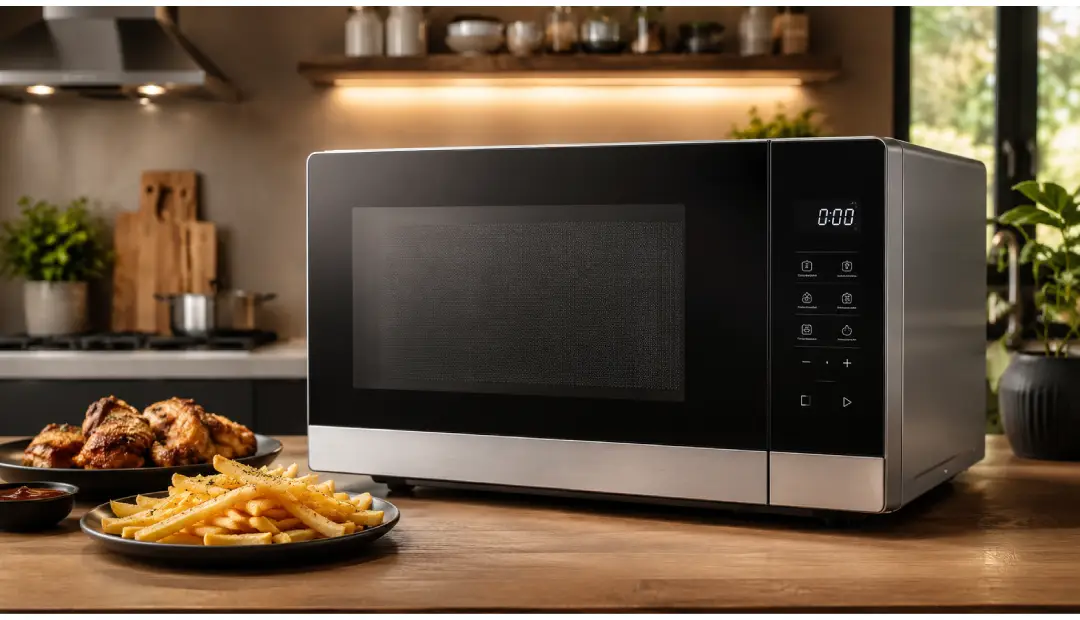
A countertop steam oven is a premium microwave alternative for people who want better moisture control. It can reheat leftovers without drying them out and can cook vegetables, fish, bread, and roasted foods with steam-assisted heat.
This is a better fit for serious home cooks than casual users. It can do more than a basic steamer, but it usually costs more and takes more space.
Best uses
- Reheating rice, pasta, and leftovers.
- Cooking fish and vegetables.
- Baking bread with moisture.
- Cooking chicken without drying it out.
- Reheating meals without plastic containers.
Pros
- It reheats food more gently than dry heat.
- It can preserve moisture.
- It offers more cooking control.
- It can replace several cooking methods.
- It is useful for people who cook fresh meals often.
Cons
- It is usually more expensive.
- It takes practice.
- It needs water refilling and cleaning.
- It may be too much for simple reheating.
6. Stovetop Pan: Best Budget Alternative
A stovetop pan is the best budget-friendly microwave alternative because most kitchens already have one. It works well for reheating rice, pasta, meat, eggs, vegetables, and leftovers when you want more control over texture.
Add a small splash of water for rice or pasta. Use low heat for delicate foods. Use medium heat when you want a crisp bottom on pizza, bread, or fried rice.
Best uses
- Fried rice.
- Pasta.
- Pizza slices.
- Eggs.
- Vegetables.
- Leftover chicken.
- Tortillas and flatbreads.
Pros
- It gives direct heat control.
- It does not require another appliance.
- It can crisp, warm, or steam depending on the method.
- It works with stainless steel, cast iron, ceramic, or nonstick cookware.
- It is good for people who want to avoid plastic reheating.
Cons
- It needs attention while cooking.
- Food can stick if the pan is too hot.
- It may require oil or water.
- It creates more dishes than microwave reheating.
 7. Slow Cooker: Best for Soft, Low-Effort Meals
A slow cooker is a healthy microwave alternative for soups, stews, beans, shredded chicken, and soft one-pot meals. It is not a direct reheating replacement, but it helps people cook homemade meals with less daily effort.
This option is best for people who want to reduce packaged microwave meals. You can prepare food in the morning and let it cook slowly until dinner.
Best uses
- Soups and stews.
- Beans and lentils.
- Shredded chicken.
- Pot roast.
- Chili.
- Oatmeal.
- Batch cooking.
Pros
- It supports homemade meals.
- It works well for batch cooking.
- It needs little oil for many recipes.
- It is good for soft, moist foods.
- It can help reduce reliance on frozen microwave meals.
Cons
- It is not fast.
- It does not brown food unless you sear first.
- It is not useful for crispy reheating.
- It needs planning.
8. Rice Cooker or Multi-Cooker: Best for Grains and Meal Prep
A rice cooker or multi-cooker is a practical microwave alternative for rice, grains, oatmeal, soups, steamed vegetables, and simple one-pot meals. It is especially useful for people who eat rice often or prepare meals in advance.
A multi-cooker can do more than a basic rice cooker, but even a simple rice cooker can reduce your need to microwave rice or packaged meals.
Best uses
- Rice.
- Oatmeal.
- Quinoa.
- Lentils.
- Soup.
- Steamed vegetables.
- One-pot meals.
Pros
- It is easy to use.
- It keeps rice warm.
- It is useful for weekly meal prep.
- It can steam food with a basket.
- It reduces the need for packaged microwave rice.
Cons
- It is not good for crisp food.
- It is less flexible than a countertop oven.
- Some models take time to cook.
- It needs washing after starchy foods.
Best Healthy Microwave Alternative by Food Type
The healthiest alternative depends on the food you cook most. Use dry heat for crispy foods, steam for moist foods, and stovetop cooking when you want direct control.
| Food or task | Best alternative | Why it works |
|---|---|---|
| Pizza slices | Air fryer or toaster oven | Restores crisp crust better than a microwave |
| Fries and nuggets | Air fryer | Crisps the outside with little oil |
| Vegetables | Steamer or steam oven | Cooks with moisture and no oil |
| Fish | Steamer or countertop steam oven | Keeps delicate fish moist |
| Rice | Rice cooker or stovetop pan with water | Reheats without drying when moisture is added |
| Soup | Stovetop pot | Heats evenly and allows stirring |
| Toast and bagels | Toaster oven | Browns bread properly |
| Chicken leftovers | Air fryer toaster oven | Reheats while improving texture |
| Oatmeal | Rice cooker or stovetop pot | Gives better control over thickness |
| Frozen snacks | Air fryer toaster oven | Browns better than a microwave |
 How to Choose the Right Microwave Alternative
Choose a microwave alternative based on your main cooking problem: speed, texture, moisture, oil use, or counter space. No single appliance is best for every person.
Use these simple rules:
- Pick an air fryer toaster oven if you want one appliance for reheating, crisping, baking, and toasting.
- Pick an air fryer if your main goal is crispy food with less oil than deep frying.
- Pick a steamer if you cook vegetables, fish, and dumplings often.
- Pick a toaster oven if you mainly reheat pizza, toast bread, or bake small foods.
- Pick a stovetop pan if you want the lowest-cost solution.
- Pick a rice cooker or multi-cooker if you cook rice and grains often.
- Pick a slow cooker if you want homemade meals with less daily cooking work.
Microwave vs. Healthy Alternatives: Which Is Better?
A microwave is better for speed, while alternatives are better for texture, browning, and cooking style. If you only reheat drinks, soup, and soft leftovers, a microwave may still be the most practical option.
| Factor | Microwave | Healthy alternatives |
|---|---|---|
| Speed | Fastest for many reheating tasks | Usually slower |
| Crispiness | Poor | Better with air fryer or toaster oven |
| Moisture | Good for some foods, uneven for others | Better with steamer or steam oven |
| Browning | Very limited | Better with toaster oven, air fryer, or pan |
| Oil use | Often no oil needed | Depends on cooking method |
| Plastic-free reheating | Possible with glass or ceramic | Easier with metal, glass, ceramic, or pan |
| Cooking control | Limited | Better control with pan, oven, or steamer |
| Best use | Drinks, soup, soft leftovers | Crispy, baked, steamed, roasted, or fresh meals |
Safety Tips When Replacing a Microwave
A healthy microwave alternative is only healthy when you use it safely. Air fryers, toaster ovens, steamers, and pans can still burn food, overheat oil, or cause kitchen accidents.
Follow these safety tips:
- Use glass, ceramic, stainless steel, or oven-safe cookware when possible.
- Do not place plastic containers in toaster ovens, air fryers, or ovens.
- Leave space around toaster ovens and air fryer ovens for heat release.
- Clean crumbs and grease after cooking.
- Do not use damaged cords or cracked appliance parts.
- Use a food thermometer for meat, poultry, and seafood.
- Follow the product manual for temperature limits and safe accessories.
Common Mistakes to Avoid
The most common mistake is buying a microwave alternative without thinking about the foods you cook most. A steamer is excellent for vegetables, but it will not crisp pizza. An air fryer is great for fries, but it cannot heat tea or soup like a microwave.
Avoid these mistakes:
- Buying an air fryer when you mostly heat liquids.
- Buying a toaster oven when you have no counter space.
- Expecting a steamer to brown food.
- Reheating everything at high temperature.
- Using plastic containers in dry-heat appliances.
- Ignoring cleaning after greasy meals.
- Choosing a large appliance for a small kitchen without measuring first.
 Best Overall Recommendation
The best healthy alternative to microwave ovens for most homes is an air fryer toaster oven. It handles the widest range of common tasks: reheating, crisping, baking, roasting, and toasting.
Choose a steamer instead if your main goal is oil-free vegetables, fish, and moist food. Choose a stovetop pan if you want the cheapest option. Keep your microwave if you mostly heat soup, drinks, or soft leftovers and you use microwave-safe containers.
Frequently Asked Questions
What is the healthiest alternative to a microwave oven?
The healthiest alternative depends on the food. A steamer is best for vegetables and fish, while an air fryer toaster oven is best for crispy reheating and small meals. A stovetop pan is the best low-cost option.
Is an air fryer healthier than a microwave?
An air fryer is not automatically healthier than a microwave. It may be a healthier choice when it replaces deep frying because it can crisp food with less oil. A microwave may still be better for quick reheating without added fat.
Is a toaster oven better than a microwave?
A toaster oven is better for toast, pizza, baked snacks, and crispy leftovers. A microwave is better for speed, soup, drinks, and foods with high moisture. Many kitchens benefit from having both.
Can I live without a microwave?
Yes, you can live without a microwave if you have a stovetop, toaster oven, steamer, air fryer, or oven. Reheating will usually take longer, but the food may have better texture.
What can I use instead of a microwave for reheating food?
Use an air fryer for crispy leftovers, a steamer for rice and vegetables, a stovetop pan for pasta or meat, and a toaster oven for pizza or bread. Add a little water when reheating dry foods like rice.
Are microwaves bad for nutrients?
Microwaves are not bad for nutrients by default. CSIRO states that microwave cooking with minimal water and short cooking time can help retain water-soluble vitamins such as vitamin C and thiamin (CSIRO, 2026).
What is the best plastic-free microwave alternative?
The best plastic-free alternative is a toaster oven, air fryer toaster oven, stovetop pan, or steamer used with glass, stainless steel, ceramic, or oven-safe accessories. Avoid plastic containers in dry-heat appliances.
Which microwave alternative is best for a small kitchen?
A compact air fryer or small toaster oven is usually best for a small kitchen. A stovetop pan is even simpler if you do not want another appliance.

